Why choose vidaXL?

24/7 deals
Find the best deals & discounted products every day at vidaXL!

Free shipping over € 70
Enjoy free shipping on all orders above €70.

Pay in 3 instalments
At vidaXL, you can get your favourite product right away and pay in instalments with Klarna!

Get discounts with vidaXL+
Opt in with your account today and watch your vidaXL+ points grow. The more you shop, the bigger the discounts you can unlock!








.png?sw=192)

.png?sw=192)
.png?sw=192)
.png?sw=192)

.png?sw=192)
.png?sw=192)


.png?sw=192)

.png?sw=192)
.png?sw=192)
.png?sw=192)


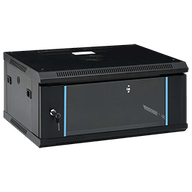


Outwell Drive-away Campervan Awning Newburg 160 Air Black & Grey


Description
This compact, inflatable Newburg 160 Air drive-away campervan awning offers couples, campers with small families, friends and solo campers extra versatile campsite living and sleeping space.
- Smart design: Its smart design allows you to attach it to either side of your van. You will love the flexible access through side doors on both sides of the link access zone connecting it to your campervan side door, including the front and rear doors in the tent.
- Insert-proof mesh screen: Insect-proof mesh screens behind the side doors allow you to adjust ventilation easily and quickly.
- Thoughtful design: Under the neat eyebrow canopy, rolling the front away fully allows you to enjoy all the fresh air that nature has to offer. When heading out on outdoor adventures, you can leave the awning freestanding securely on your pitch.
Specifications
- Colour: Black and grey
- Material:Outtex 4000 Select, 100% polyester, double-coated waterproof polyethylene, duratec fibreglass 9.5 mm
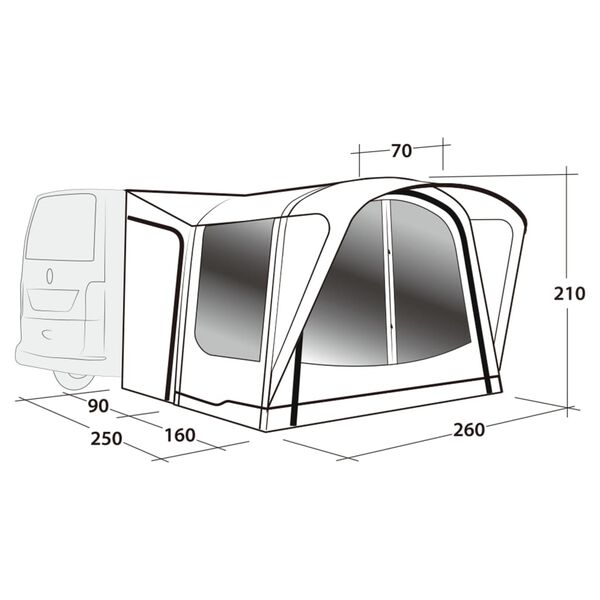
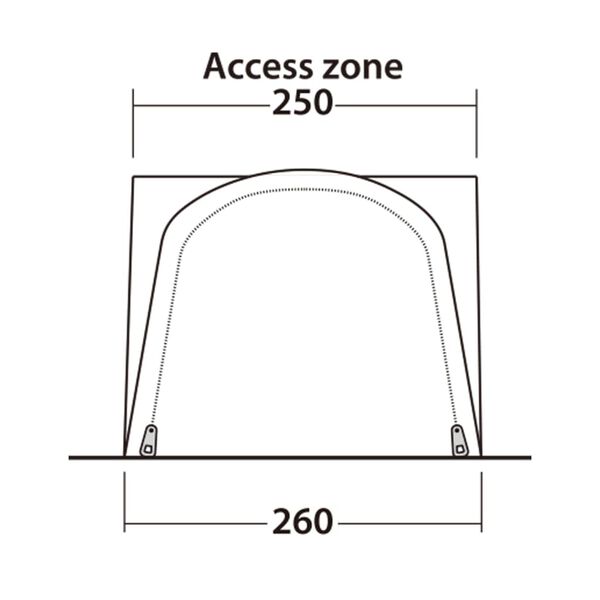
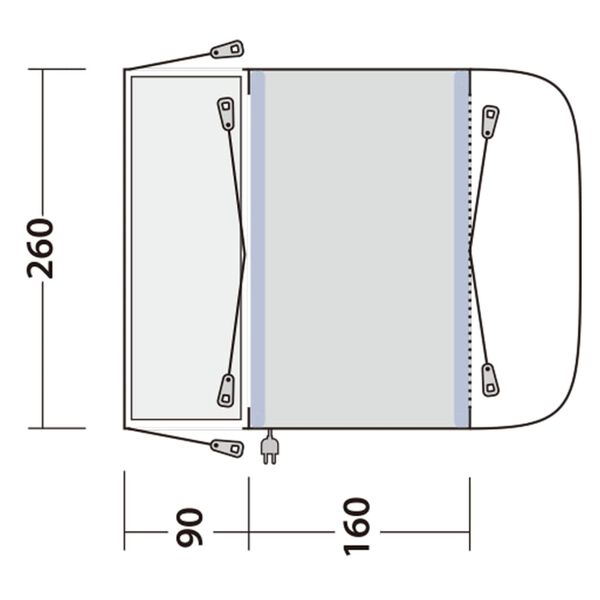
- Dimensions: 250 x 260 x 210 cm (L x W x H)
- Pack dimensions: 80 x 38 x 38 cm (L x W x H)
- Roof connection length: 250 cm
- Attachment height: 175-200 cm
- Bead thickness: 7 mm/5 mm
- 1 living room
- Sewn-in groundsheet
- Hydrostatic Head: 4000 mm
- Pitching way: Flysheet first
- Weight: 16.5 kg
- Maximum pressure: 9 psi/0.6 bar
- Rigid air system for fast and simple inflation
- Vertical front wall with canopy for enhanced interior and exterior living space
- Pre-shaped air tubes
- Double zips
- Spacious living area with large tinted windows
- Hook track system for versatile positioning of lights and items up to 1.5 kg
- Heavy duty Outwell zips are easy to use, running securely and freely
- Groundsheet for link access zone with built-in draught excluder skirt
- Full open rear for easy access to vehicle
- Delivery contains:
- 1 x Carrying bag
- EAN:5709388109989
- SKU:445936
- Brand:Outwell
EU responsible/Manufacturer:
Oase Outdoors
Kornvej 9
7323 Give
Tel: +45 70228500
E-mail: info@oase-outdoors.dk
Bought an item and liked it? Upload a picture of it!
Description
This compact, inflatable Newburg 160 Air drive-away campervan awning offers couples, campers with small families, friends and solo campers extra versatile campsite living and sleeping space.
- Smart design: Its smart design allows you to attach it to either side of your van. You will love the flexible access through side doors on both sides of the link access zone connecting it to your campervan side door, including the front and rear doors in the tent.
- Insert-proof mesh screen: Insect-proof mesh screens behind the side doors allow you to adjust ventilation easily and quickly.
- Thoughtful design: Under the neat eyebrow canopy, rolling the front away fully allows you to enjoy all the fresh air that nature has to offer. When heading out on outdoor adventures, you can leave the awning freestanding securely on your pitch.
Specifications
- Colour: Black and grey
- Material:Outtex 4000 Select, 100% polyester, double-coated waterproof polyethylene, duratec fibreglass 9.5 mm
- Dimensions: 250 x 260 x 210 cm (L x W x H)
- Pack dimensions: 80 x 38 x 38 cm (L x W x H)
- Roof connection length: 250 cm
- Attachment height: 175-200 cm
- Bead thickness: 7 mm/5 mm
- 1 living room
- Sewn-in groundsheet
- Hydrostatic Head: 4000 mm
- Pitching way: Flysheet first
- Weight: 16.5 kg
- Maximum pressure: 9 psi/0.6 bar
- Rigid air system for fast and simple inflation
- Vertical front wall with canopy for enhanced interior and exterior living space
- Pre-shaped air tubes
- Double zips
- Spacious living area with large tinted windows
- Hook track system for versatile positioning of lights and items up to 1.5 kg
- Heavy duty Outwell zips are easy to use, running securely and freely
- Groundsheet for link access zone with built-in draught excluder skirt
- Full open rear for easy access to vehicle
- Delivery contains:
- 1 x Carrying bag
- EAN:5709388109989
- SKU:445936
- Brand:Outwell
EU responsible/Manufacturer:
Oase Outdoors
Kornvej 9
7323 Give
Tel: +45 70228500
E-mail: info@oase-outdoors.dk